
The Evening Drink Routine: When a Shortcut to Calm Becomes the Pattern
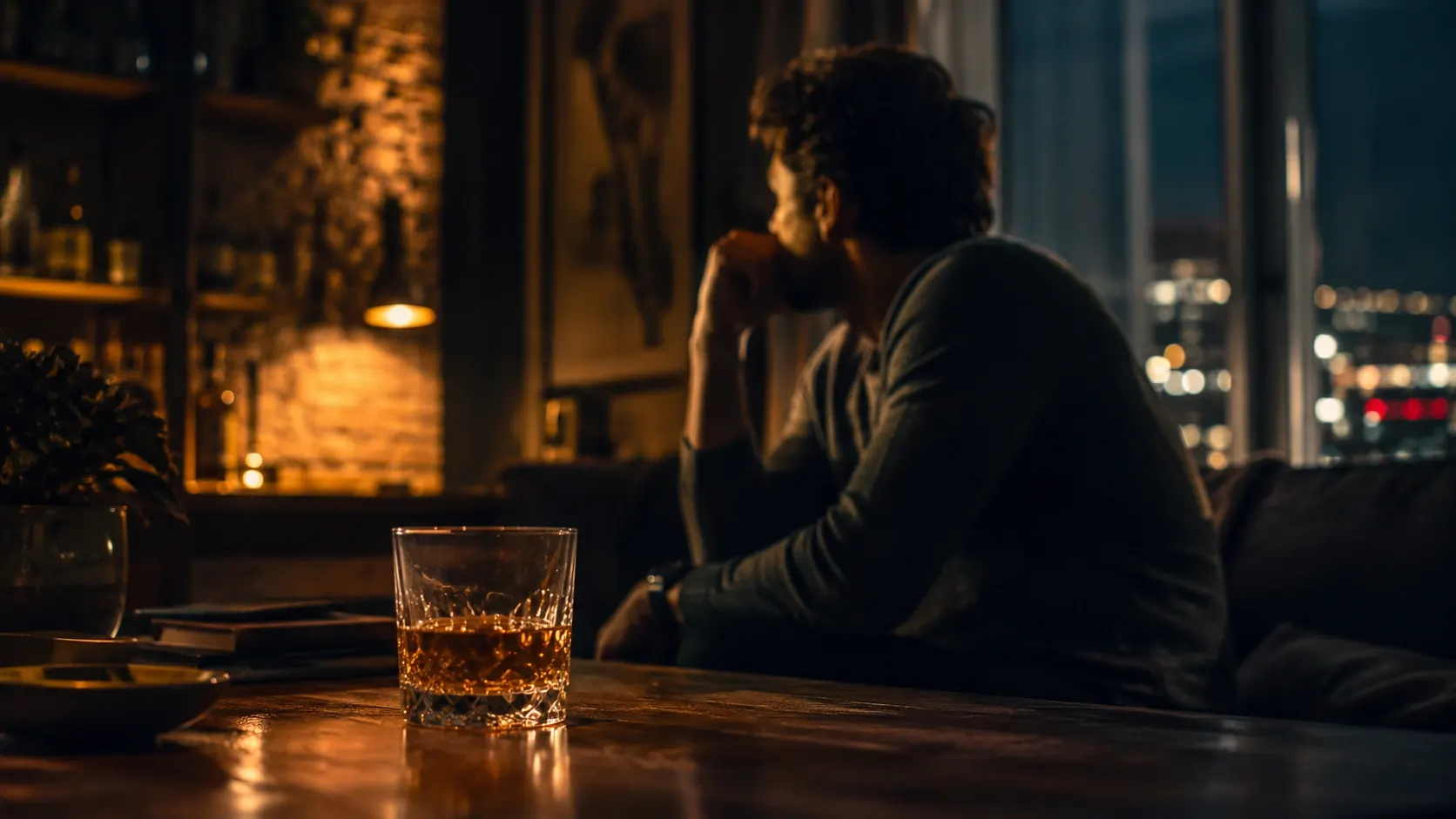
The evening drink routine often begins as a line between work and the rest of life. The day is over. The shoes come off. The room gets quieter. A drink appears, and for a little while the body receives a clear message: you can stop pushing now. That message can feel powerful, especially for someone who spends the day tense, responsible, overstimulated, or physically tired.
An evening drink routine deserves honesty without drama; NIAAA describes alcohol use disorder as a health condition involving difficulty stopping or controlling alcohol use despite consequences.
The difficult part is that the routine may keep working emotionally even while it stops helping physically. The person may sleep worse, wake up heavy, feel flatter in the morning, spend more money than planned, or need the drink more often to create the same exhale. What started as a choice begins to feel like the official closing ceremony for the day.
The drink is often carrying a job
Before changing the routine, it helps to understand the job the drink has been doing. Is it ending the workday? Softening loneliness? Reducing body tension? Making dinner feel more enjoyable? Marking a reward? Quieting thoughts? Replacing conversation? Turning down the volume on worry? The answer matters because removing the drink without replacing the job can leave the evening feeling unfinished.
This is where shame usually makes things worse. Shame says, just stop. A better question is, what is the nervous system asking for at this hour? Maybe it wants transition, comfort, taste, ritual, or permission to rest. Those needs are not bad. The problem is when one tool becomes the only tool.
If the pattern starts feeling harder to interrupt, MedlinePlus information on alcohol use disorder gives the issue plain health language instead of shame language.
Build a new closing signal before the old one starts
A replacement routine works best when it begins before the usual pour. Waiting until the craving is loud makes the change harder than it needs to be. Create a first move that happens immediately after work or after dinner: change clothes, pour sparkling water into a real glass, take a ten-minute walk, shower, make tea, stretch, cook something simple, or sit outside for a few minutes. The new signal should feel physical because the old routine was physical too.
The replacement does not have to be glamorous. It has to be repeatable. A fancy wellness routine that requires twelve steps will disappear on a hard day. A glass, a chair, a song, a short walk, and a consistent order can do more than an overdesigned plan. The body learns through repetition, not speeches.
Make delay the first win
For many people, the first goal is not never. The first goal is later. Delay creates space between urge and action. If the usual drink happens at 6:30, set a rule that nothing happens until 7:00, and fill the gap with a replacement signal. If that is too much, delay by ten minutes. Small delays teach the brain that the urge can rise and fall without being obeyed immediately.
It also helps to track what happens the next morning. Not as punishment, but as evidence. How did sleep feel? How was mood? How was energy? Did the evening actually become calmer, or just blurrier? The next morning often tells the truth the evening tries to negotiate away.
A Night That Gives Something Back
Some patterns need professional support, especially if stopping feels physically unsafe, cravings feel overwhelming, or alcohol has become a daily dependency. Asking for help is not failure. It is structure. For smaller routines that are starting to take over, the first move can be simple: name the job, create a new signal, delay the old pattern, and let the evening prove that calm can arrive another way.
Changing an evening drink routine is not about becoming a perfect person who never wants comfort. It is about building a night that actually restores you. Real rest should give something back by morning. It should not demand repayment in fatigue, regret, or fog.